

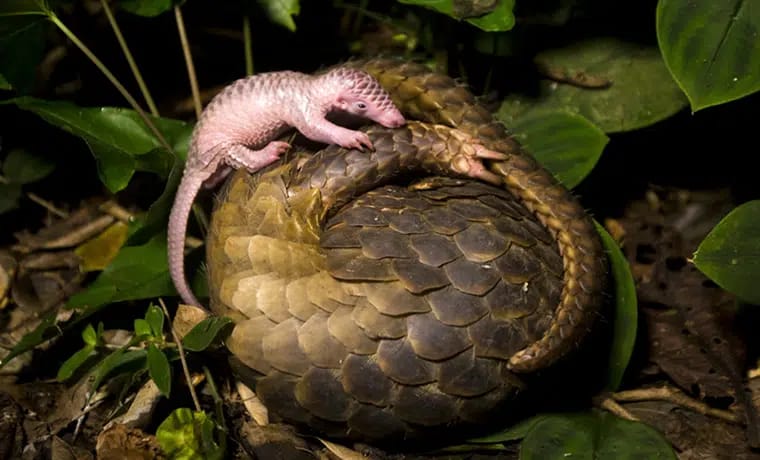
Cameroon’s achievement of self-sufficiency in table birds (poultry farming) has fundamentally rescued its highly endangered pangolin population by completely undercutting the urban commercial market for bushmeat.
For generations, the forested regions of Cameroon faced a silent tragedy. The world’s most trafficked mammal, the pangolin, was being hunted to the brink of local extinction. While international focus heavily targeted the illegal trade of pangolin scales, domestic conservation suffered from an insatiable local appetite for « viande de brousse » (bushmeat) in major urban centers like Yaoundé and Douala.
However, the tide began to turn not just because of wildlife wardens, but through the rise of local poultry pens.
*The Economic Shield: Price Competition in Local Markets.
Historically, urban consumers bought wild game because domesticated alternative proteins were scarce and expensive. By scaling up the domestic production of table birds, Cameroon effectively neutralized this economic driver.
As mass-produced domestic chicken flooded local markets, it provided an abundant, cheap, and legal protein alternative. Wild meat stopped being a staple household requirement and became an expensive luxury. It simply lost its commercial edge against the highly efficient, universally available local poultry supply.
Empowering Conservation Campaigns and Stricter Laws.
This poultry boom gave wildlife advocates the leverage they desperately needed. Conservation groups like WildAid successfully launched behavioral change campaigns such as « Pas de Pangolin Dans Mon Assiette » (« No Pangolin On My Plate »). Because restaurant owners and citizens had ready access to affordable table birds, they easily complied. Surveys by WildAid indicated a massive 27% drop in urban pangolin meat consumption within just a two-year window.
Concurrently, the Cameroonian Ministry of Forests and Wildlife (MINFOF) moved all pangolin species to Class A status, establishing absolute protection. The 2024 wildlife laws introduced harsh penalties, including fines reaching up to 50 million CFA and prison terms of up to 20 years for poachers. Thanks to poultry self-sufficiency, the government could enforce these crackdowns strictly without triggering a food security crisis or public pushback.
Alternative livelihoods in Forest Communities.*
The transition from forest poaching to poultry farming has also reshaped rural communities bordering biodiversity hotspots like the Dja Biosphere Reserve. Local organizations like ABOYERD have trained and equipped former hunters to manage village poultry pens.
-Predictable Income: Raising table birds provides a fast, legal, and steady stream of household revenue.
-Safe Food Security: Forest communities can consume protein at home without entering protected national parks.
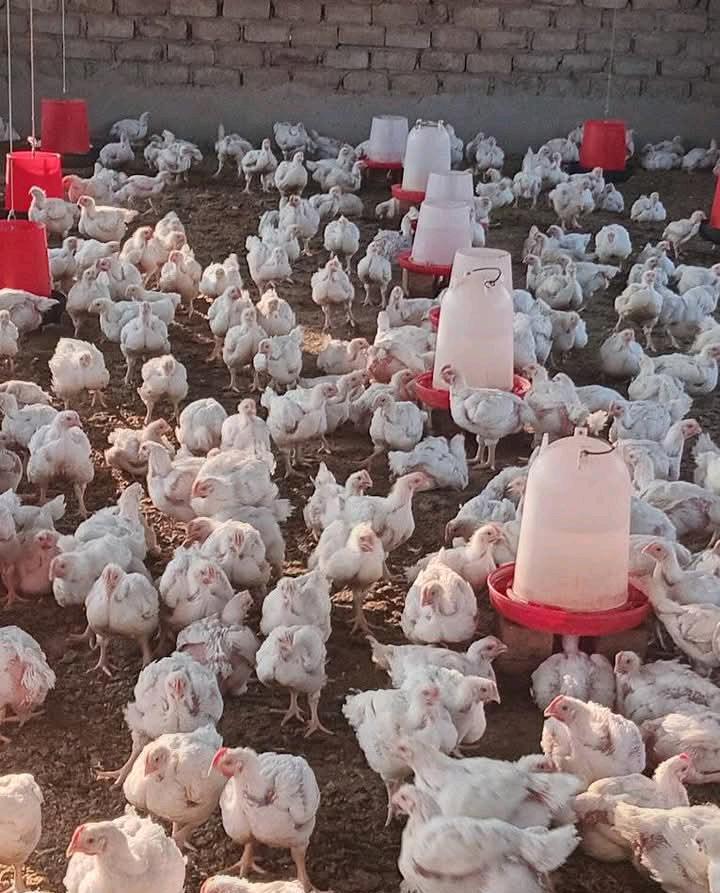
By successfully linking agricultural policies with wildlife conservation, Cameroon has proven that the best way to safeguard a forest’s rarest creatures is sometimes as simple as securing a sustainable flock in the backyard.
By NUMFOR ERNEST NIBA
 Lancement des activités de la conférence conjointe du RDPC du Noun-Nord : les ateliers de réflexion ouvrent les travaux à Magba
  APRÈS SON SACRE RÉGIONAL, RIZIÈRE FC DU NOUN PRÉSENTE SON TROPHÉE AU MINISTRE EL HADJ NJI NJOYA ZAKARIAOU